From Botanicals to Bottle
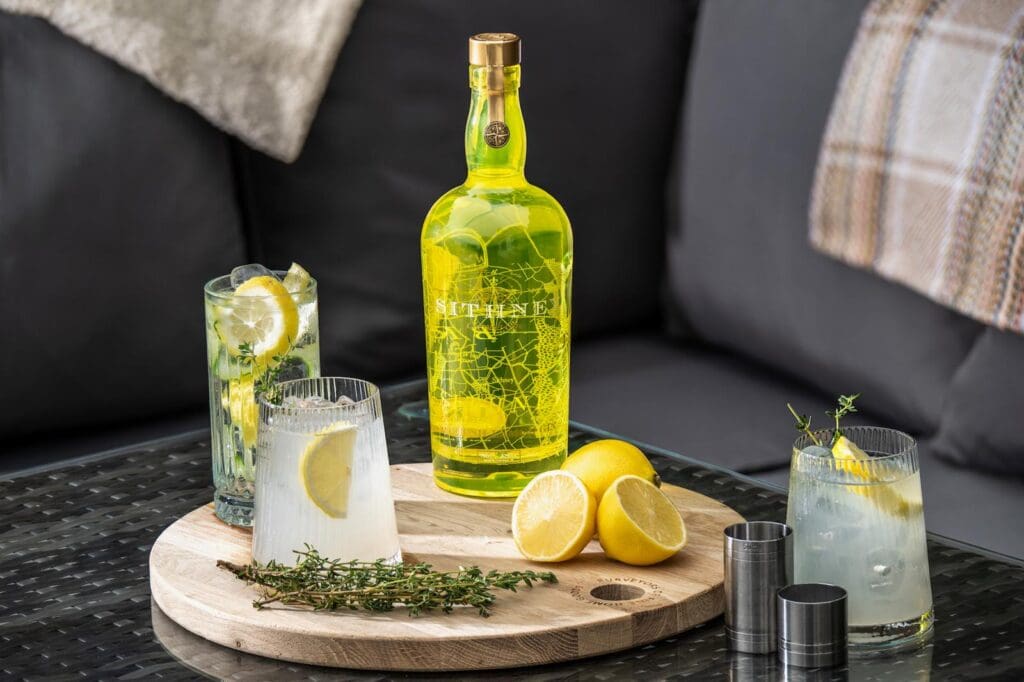
Gin might taste like magic, but making it is a craft rooted in precision, patience, and a bit of alchemy. Whether you’re sipping a London Dry or something infused with seaweed and citrus, every gin starts with the same foundation: a neutral spirit, botanicals, and distillation.
Here’s how it all comes together — and why the process matters.
Step 1: Start With a Neutral Base Spirit
All gin begins with a high-proof, neutral base alcohol — usually made from grains like wheat or barley. The key is that it’s clean, odourless, and flavourless. This blank canvas allows the botanicals to shine.
In the UK, the base spirit is often distilled to at least 96% ABV before it’s redistilled with botanicals to make gin. Some craft distillers make their own base spirit; others buy it in, focusing their efforts on the flavouring process.
Step 2: Choose Your Botanicals (It Starts With Juniper)
To legally be called gin, the dominant flavour must be juniper. No exceptions. But beyond that, distillers can get creative — and they do.
Common botanicals:
- Coriander seed – adds spice and citrus notes
- Angelica root – earthy and dry, helps bind flavours
- Citrus peel – lemon, orange, grapefruit
- Orris root – floral and fixes aroma
- Cardamom, cassia, liquorice, pepper – adds complexity
Craft distillers in the UK often use local ingredients: Scottish rowan berries, Welsh lavender, Yorkshire rhubarb, or even London honey.
The botanical mix is the soul of each gin, and even a slight tweak can shift the flavour profile dramatically.
Step 3: Distillation – Where the Magic Happens
There are three main ways to flavour gin:
1. Steep & Distil (Traditional Method)
Botanicals are steeped in the base spirit for several hours (sometimes overnight) to extract flavours, then redistilled in a pot still.
2. Vapour Infusion
Botanicals sit in a basket above the spirit. As the alcohol vapour rises during distillation, it passes through the botanicals and picks up subtler, fresher flavours. This method is used by brands like Bombay Sapphire.
3. Cold Compounding (aka Bathtub Gin)
Botanicals are added after distillation, like making tea. This method is faster and cheaper but can result in a cloudier, less refined gin. (Some craft brands use this intentionally for old-school effect.)
Most premium UK gins today use either the steep-and-distil or vapour infusion method.
Step 4: Dilution and Bottling
Once distillation is done, the gin is cut with water to bring it down to bottling strength — usually around 40–45% ABV.
Some gins are bottled stronger (like navy strength gin, at 57% ABV), while others may be flavoured or aged in barrels for a more complex profile.
Finally, it’s bottled, labelled, and ready to pour.
Bonus: What Makes a Gin “London Dry”?
“London Dry” isn’t about where it’s made — it’s about how it’s made.
To be called London Dry Gin:
- Flavour must come only from natural botanicals
- No flavour or colour can be added after distillation
- Sugar is strictly limited
It’s a style, not a postcode — and one that defines many of the UK’s most famous gins.
Why It Matters
How a gin is made affects everything: flavour, mouthfeel, aroma, even how it works in cocktails. Understanding the process helps you appreciate what’s in your glass — and makes you a better buyer, host, or mixologist.
Next time you sip a gin and tonic, you’ll know exactly what went into it.