What’s the Difference?

Walk into any bar or bottle shop today and the gin shelf looks like an art gallery. Sleek bottles, bold labels, wild ingredients. But when it comes down to it, gin falls into a handful of core styles — each with its own rules, flavour profile, and best use.
Here’s a clear, no-nonsense guide to the main types of gin you’ll find in the UK (and beyond), so you know exactly what you’re drinking.
1. London Dry Gin
Clean. Crisp. Juniper-forward.
This is the benchmark. Despite the name, London Dry doesn’t have to be made in London — it’s a style, not a location.
What defines it:
- Must be redistilled with natural botanicals
- No added colours or flavours after distillation
- Must taste predominantly of juniper
- Very little (if any) sugar allowed
Taste:
Bright, dry, often citrusy and herbal. It’s what most people picture when they think of gin.
Best for:
- G&Ts
- Martinis
- Negronis
2. Old Tom Gin
Sweeter. Rounder. Historic.
Old Tom is a throwback to the 18th and 19th centuries — the gin that predated London Dry. It’s making a comeback thanks to the craft cocktail revival.
What defines it:
- Slightly sweeter than London Dry
- Often has a softer juniper hit
- Can include botanicals like liquorice root or sugar
Taste:
Richer and rounder, sometimes with a hint of spice or caramel.
Best for:
- Tom Collins
- Martinez
- Sipping over ice
3. Plymouth Gin
Earthy. Smooth. Exclusive.
There’s only one distillery in the world that can make Plymouth Gin — and it’s in Plymouth. That gives this style protected geographical indication (PGI) status.
What defines it:
- Distilled in Plymouth, Devon
- Uses a unique mix of botanicals
- Tends to be earthier and slightly less dry than London Dry
Taste:
Smooth and aromatic, with more rooty depth.
Best for:
- Navy Grog
- Gin & bitters
- Classic gin fans
4. Navy Strength Gin
Powerful. Punchy. Not for the faint-hearted.
Originally made for the Royal Navy — strong enough to still ignite gunpowder if spilled.
What defines it:
- Bottled at 57% ABV or higher
- Packs a punch, but still balanced if well-made
Taste:
Big flavour. Juniper, citrus, spice — turned up to 11.
Best for:
- Serious cocktails
- G&T with lots of ice and tonic
- Anyone who wants bold flavour
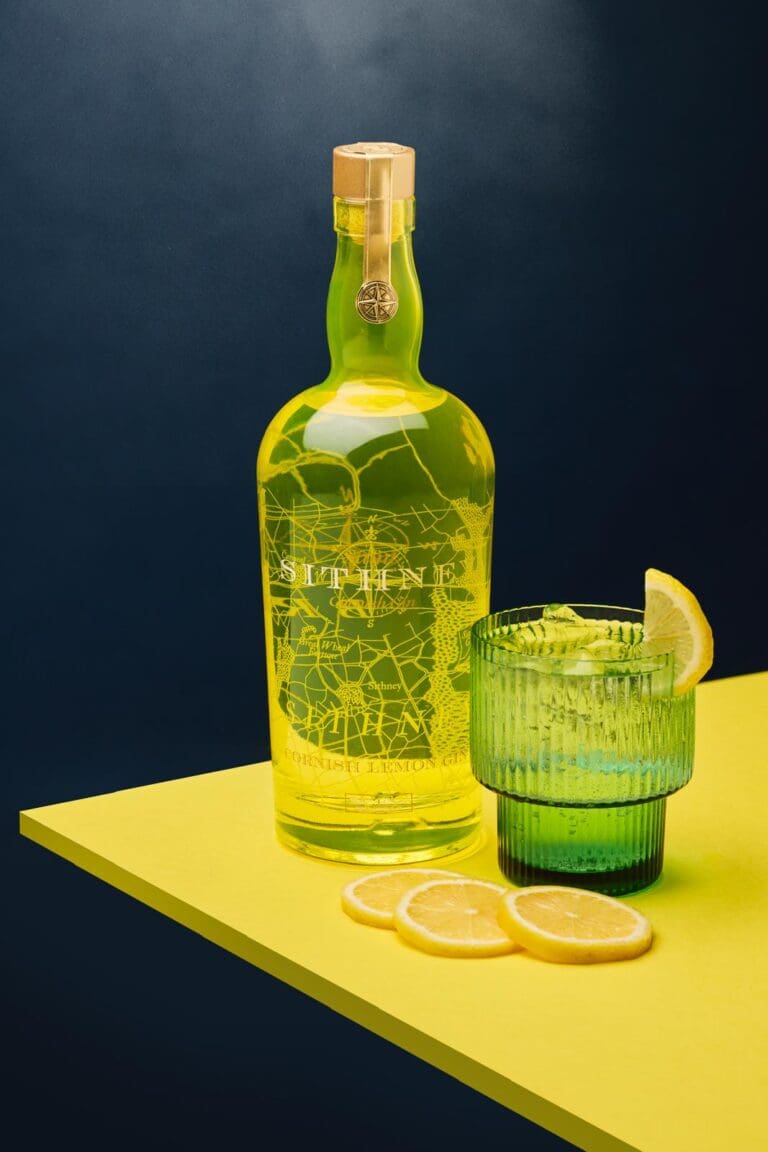
5. Contemporary & Flavoured Gins
Creative. Botanical. Sometimes divisive.
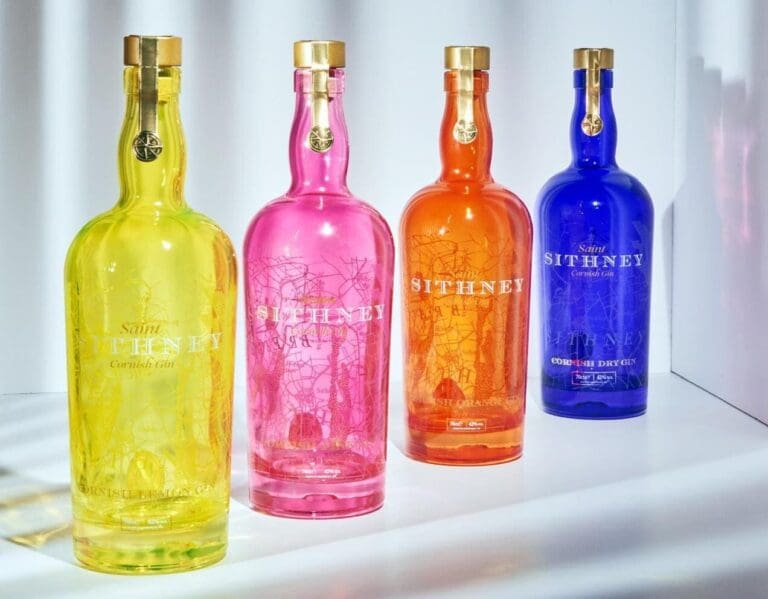
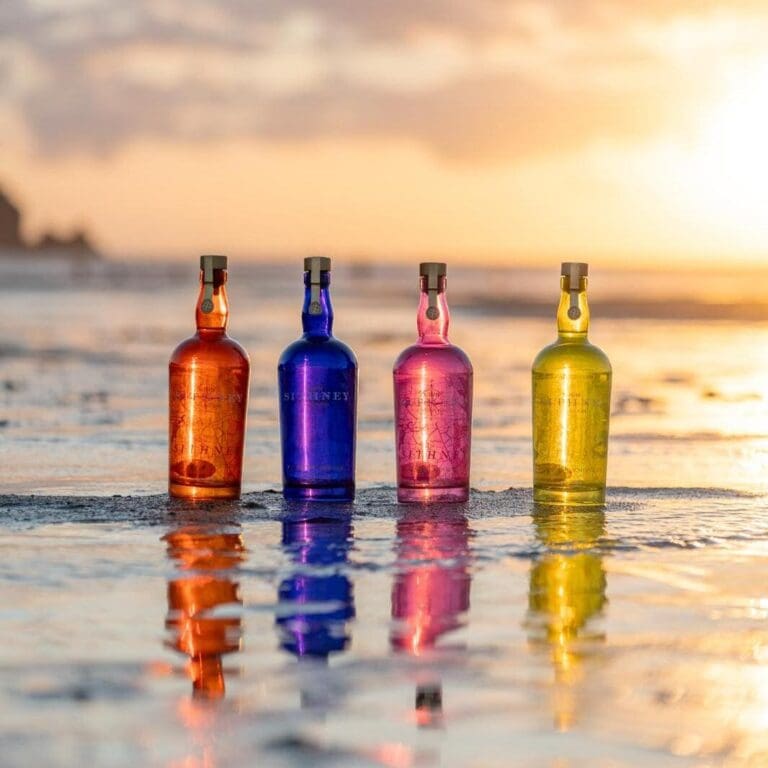
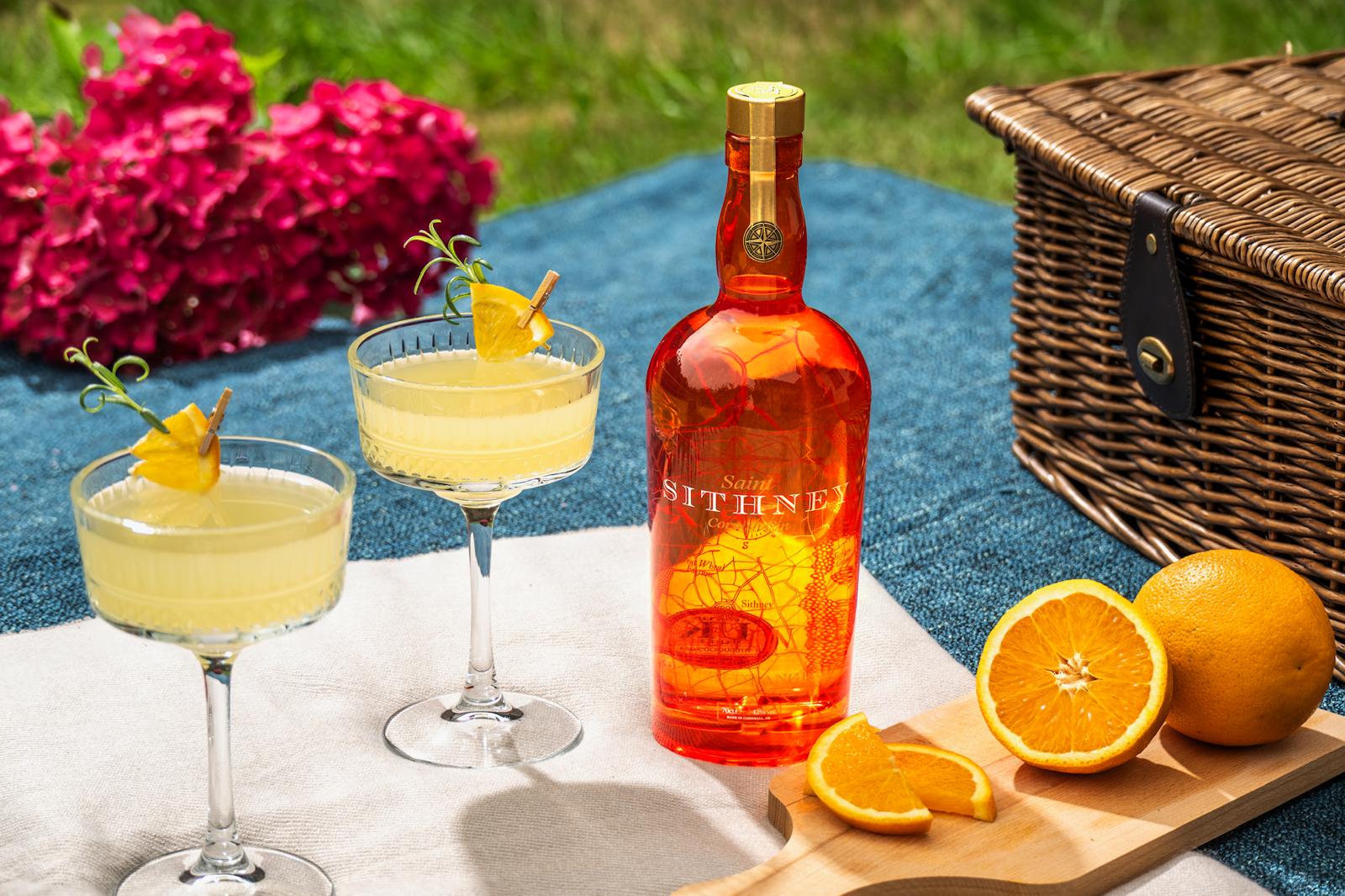
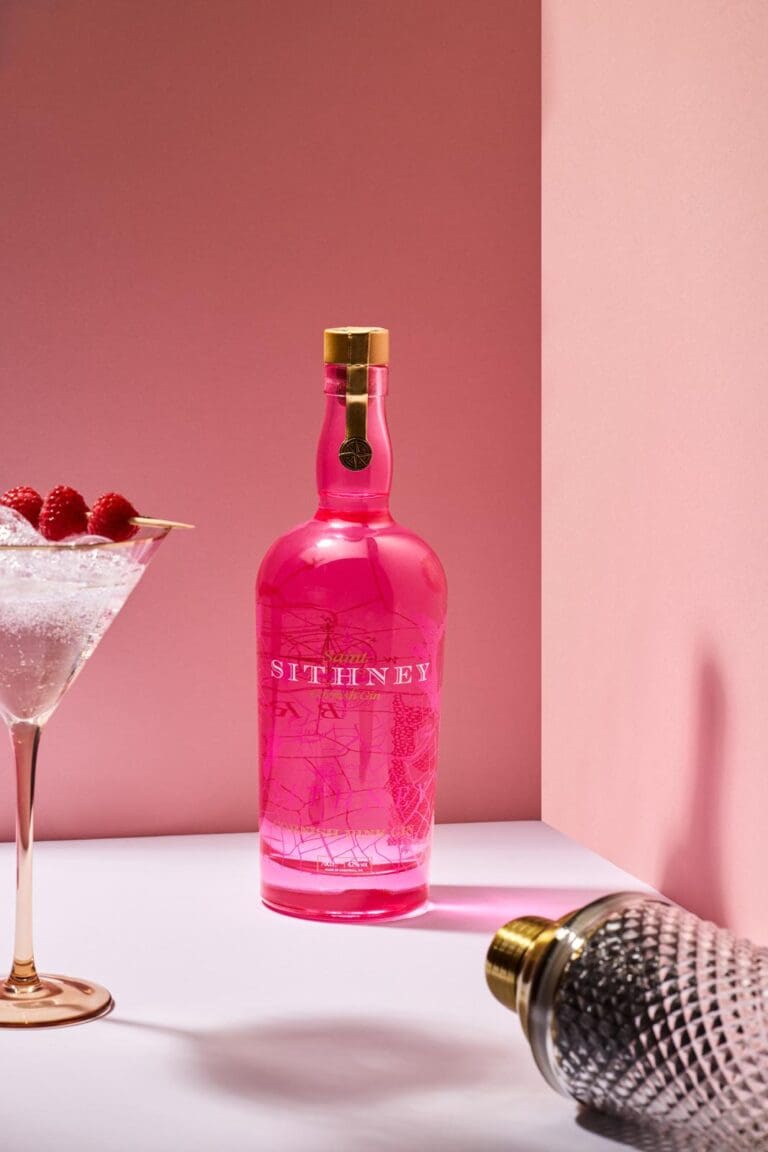
These are the rule-breakers. Gins that use exotic botanicals, local herbs, or infused flavours (like raspberry, cucumber, seaweed, rhubarb). As long as juniper is still the dominant flavour, it’s gin — though some push the line.
What defines it:
- Modern interpretation
- May include infused or added flavours post-distillation
- Often coloured or sweetened
Taste:
Varies massively. Some are light and floral, others fruity or herbal.
Best for:
- Experimenting in cocktails
- New gin drinkers
- G&T with a twist
So, Which Should You Choose?
- Stick with London Dry for classic cocktails and a solid G&T.
- Try Old Tom if you want something smoother and richer.
- Reach for Navy Strength if you like bold flavours or stronger drinks.
- Explore flavoured or regional gins if you want to break the mould.
With gin, style matters — but personal taste always wins.